The Fleet Moments That Cost the Most Rarely Feel Urgent
The most expensive fleet moments don’t feel urgent when they happen.
They show up as small delays. A missed detail. A decision that feels reasonable in the moment.
Nothing breaks. No alarms go off. Vehicles keep moving. Jobs get done.
Until later.

The quiet problems that add up
In fleet operations, the biggest costs rarely come from one dramatic event. They come from small things that don’t seem worth stopping the day for.
A driver takes a slightly different route to “save time.” A near-miss doesn’t turn into an incident, so it gets brushed off. A vehicle idles longer than usual, but only by a few minutes.
On their own, none of these feel urgent. Together, they quietly add risk, cost, and uncertainty.

Why this is so common
Fleet teams are under constant pressure to keep operations moving. When trucks are rolling and schedules are met, it feels like things are under control.
But control without visibility is just assumption.
Most teams don’t lack experience or effort. What they lack is a clear, real-time view of what’s actually happening across the fleet — especially in the moments that don’t feel critical yet.
When leaders usually find out
Many fleet leaders don’t learn about issues when they first happen.
They find out later:
- During an insurance claim
- When safety questions can’t be answered clearly
- When costs creep up without an obvious cause
- When an incident forces a review of past behavior
By then, the question isn’t “What happened?” It’s “Why didn’t we see this earlier?”

The difference between reacting and staying ahead
The shift isn’t about more reports or more meetings. It’s about seeing patterns before they turn into problems.
When teams can:
- Understand where vehicles are and how they’re being driven
- Review what actually happened instead of relying on memory
- Get alerted when something starts drifting off course
Small issues stay small. Decisions are made faster. Conversations are based on facts. Risk has fewer places to hide.
Where EYERIDE fits in
EYERIDE was built for fleets that don’t want surprises.
It gives teams a clear view of vehicle activity, driver behavior, and incidents as they happen — all in one place. Not to overwhelm operations, but to provide context when it matters most.
So when something feels “off,” you don’t have to wait for it to become a problem to understand it.
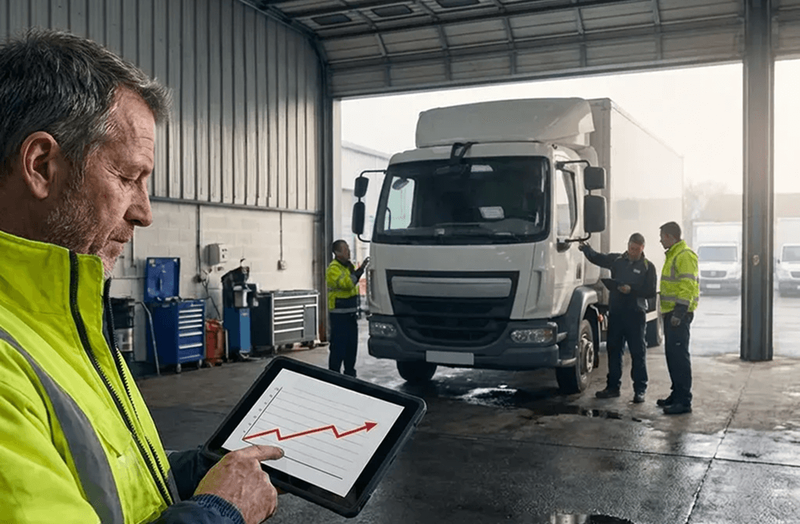
The takeaway
Most fleet problems don’t announce themselves.
They arrive quietly, grow slowly, and only demand attention when the cost is already high.
Seeing sooner is what separates reactive fleets from controlled ones.
