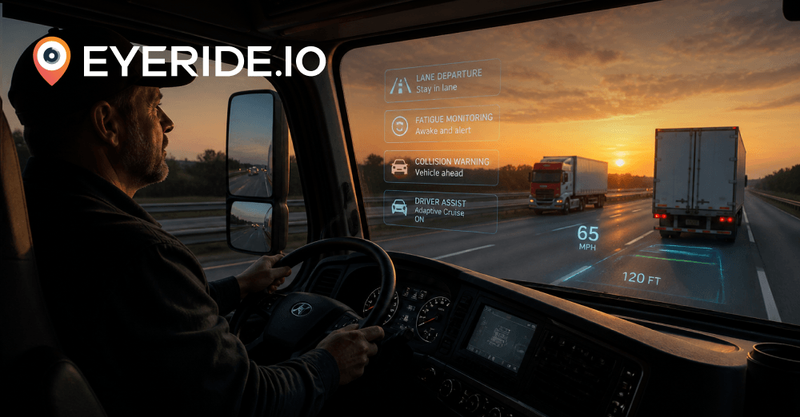
When AI Stops Being a Watchdog and Starts Being Backup
The best safety technology doesn't police drivers. It protects them.
For many drivers, AI enters the conversation the wrong way.
As a camera watching.
As a system scoring.
As technology waiting for someone to make a mistake.
It doesn't take long for that perception to create resistance.
But the most effective fleet AI isn't designed to behave like a supervisor.
It's designed to behave like backup.
Like another set of eyes.
Like a co-pilot that never gets tired.
Drivers Already Carry Enough Pressure
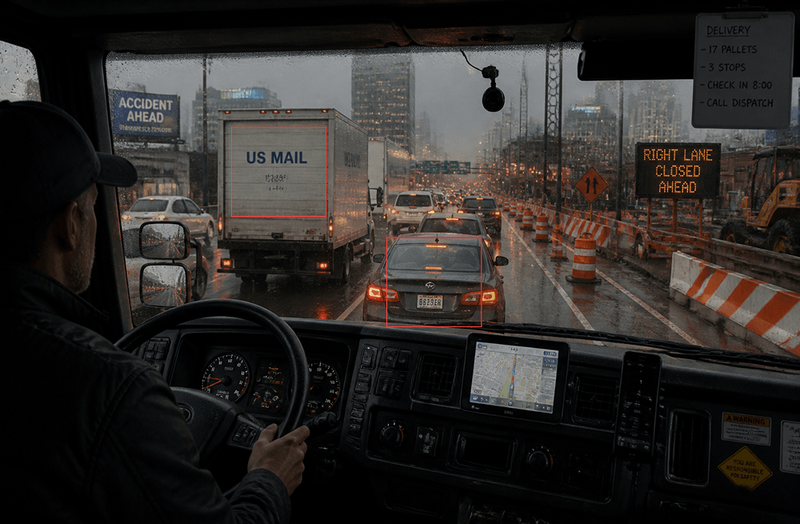
Professional drivers manage far more than most people realize.
Traffic.
Schedules.
Changing weather.
Construction zones.
Urban congestion.
Fatigue.
Distracted motorists.
Tight delivery windows.
Every shift requires hundreds of small decisions.
Adding another source of stress doesn't improve safety.
Most of the time, it does the opposite.
Technology should reduce mental workload.
Not become another thing drivers have to manage.
AI Isn't Looking For Mistakes
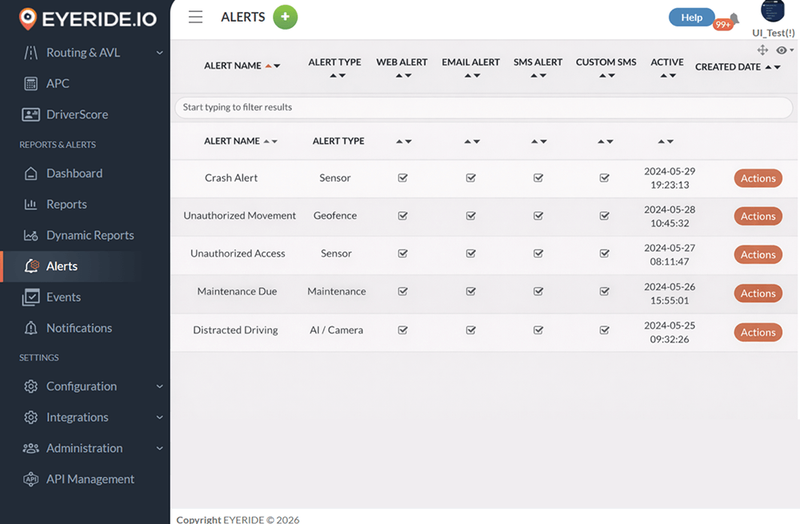
Well-designed fleet AI isn't trying to catch people doing something wrong.
It's trying to notice what people naturally miss.
Patterns hidden across weeks of driving.
Subtle signs of fatigue.
Repeated close calls.
Emerging behaviors that may eventually lead to incidents.
The purpose isn't punishment.
It's prevention.
The purpose isn't control.
It's context.
Because the earlier risk is identified, the easier it becomes to address.
Good Alerts Know When To Stay Quiet
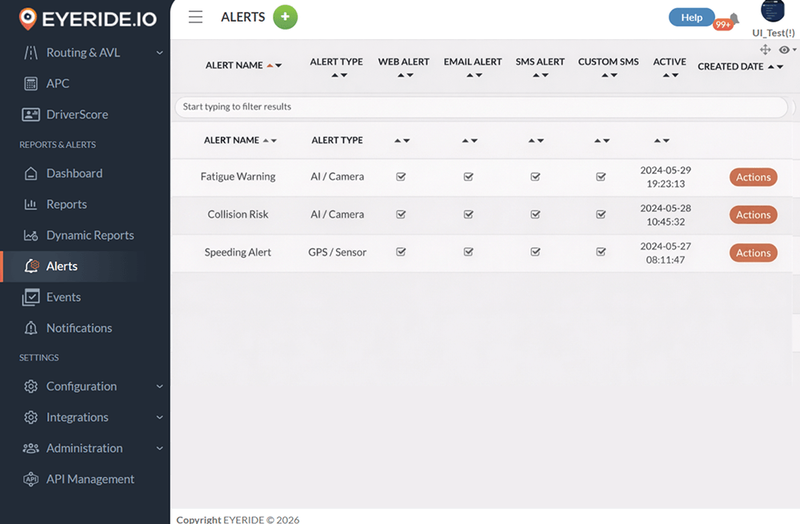
One of the fastest ways to lose trust in technology is to make it noisy.
If every event creates a notification...
Nothing feels important anymore.
Drivers ignore warnings.
Managers stop reviewing events.
Teams become overwhelmed.
Effective AI understands context.
It learns frequency.
Severity.
Behavior trends.
And timing.
It surfaces what deserves attention.
Not everything that simply happened.
AI As A Second Set Of Eyes
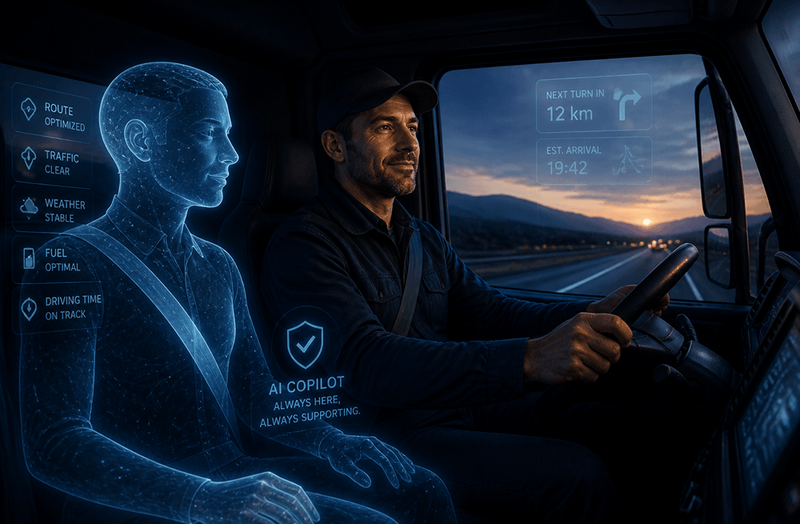
Perhaps the simplest way to think about fleet AI is this:
It isn't replacing judgment.
It's extending it.
AI doesn't become distracted.
It doesn't get sleepy.
It doesn't miss recurring patterns spread across hundreds of hours behind the wheel.
It simply raises its hand and says:
"You may want to look at this."
The decision still belongs to people.
AI just helps people make it sooner.
Trust Starts With Transparency
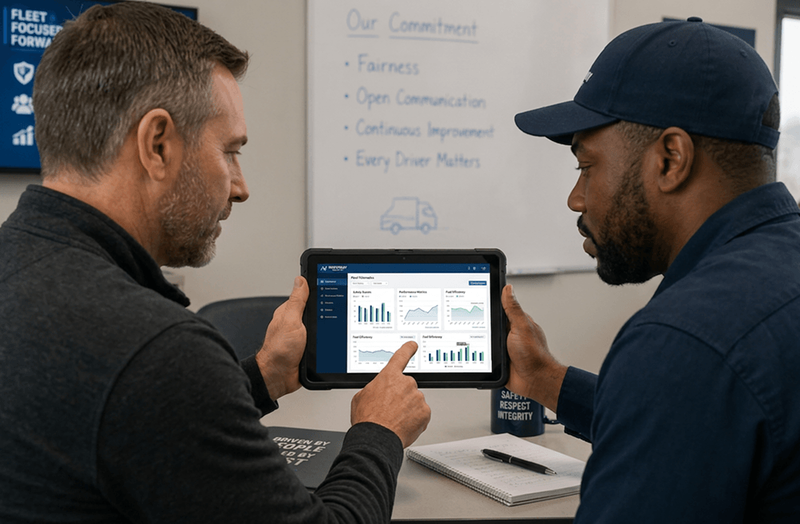
Drivers are far more willing to embrace technology when they understand what it does.
And just as importantly...
What it doesn't do.
Trust increases when:
- Footage is accessible.
- Alerts are explained.
- Reviews feel fair.
- Interfaces are intuitive.
People stop avoiding the system.
They begin using it.
Confidence replaces suspicion.
Beyond Safety: Better Operations
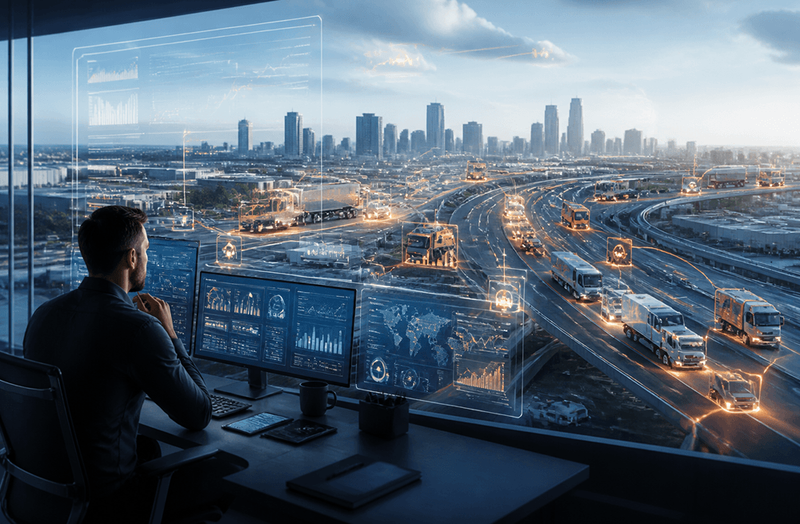
AI-driven insights do much more than reduce incidents.
They help organizations uncover:
- High-risk routes
- Recurring near misses
- Driver coaching opportunities
- Operational inefficiencies
- Patterns that normally stay hidden
Fleets stop reacting.
And start anticipating.
Small adjustments happen earlier.
Problems remain manageable.
Resources get used more effectively.
Where EYERIDE Fits In
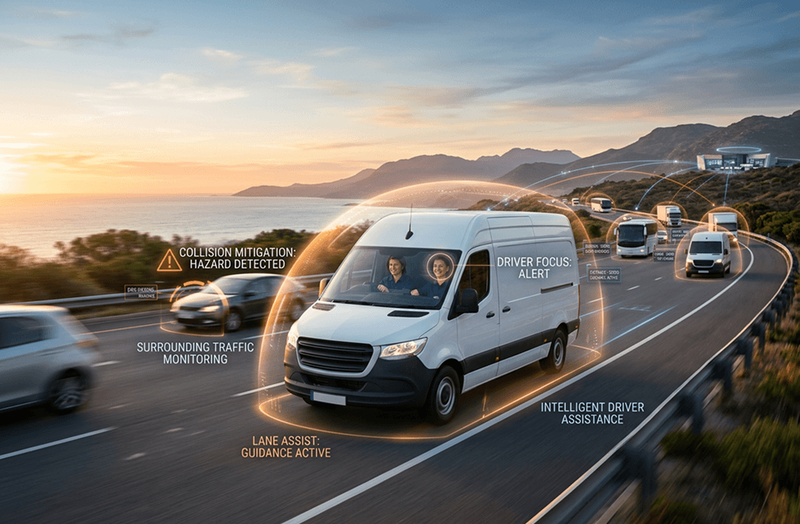
EYERIDE.IO was built around a simple idea:
Technology should make drivers feel safer.
Not watched.
By combining AI-powered cameras, collision warnings, fatigue monitoring, driver behavior analysis, and intelligent alerts, EYERIDE helps fleets identify risks early while respecting the people behind the wheel.
The goal isn't to monitor every second.
It's to be there for the moments that matter most.
To provide support.
To provide awareness.
And ultimately...
To help drivers get home safely.
Final Thought
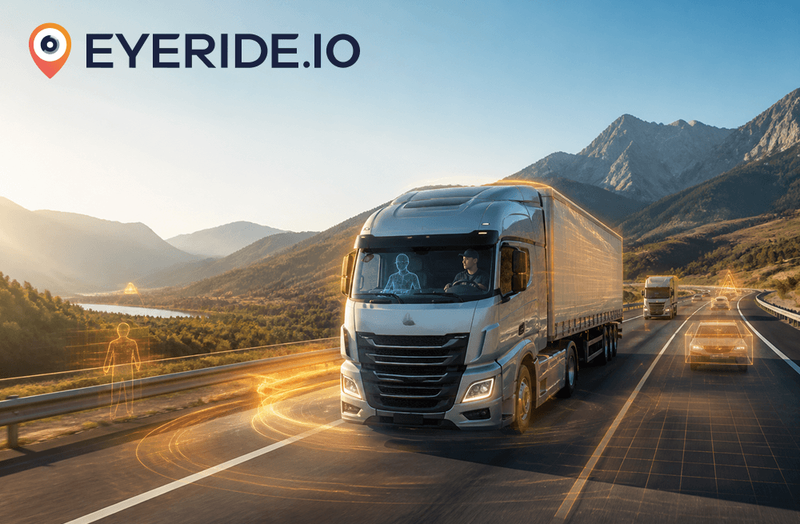
Fleet AI shouldn't feel like someone standing behind you with a clipboard.
It should feel like someone sitting beside you.
Paying attention.
Watching for hazards.
Stepping in when needed.
And staying quiet when not.
Because the best backup is the kind you barely notice...
Until the moment you truly need it.
