
Why Transit Fleets Are Rethinking Passenger Counting in 2026
Passenger data shapes everything from route planning to funding allocation. But in many transit fleets, that data is still approximate, delayed, or incomplete.
When route frequency, staffing, and budget decisions are based on estimates, small inaccuracies turn into long-term operational problems.
That reality is pushing more transit operators to rethink how passenger counting actually works and what it needs to deliver moving forward.
The Problem Isn’t Visibility. It’s Confidence
Most fleets don’t lack data entirely.
They lack confidence in it.
Manual counts, periodic audits, and post-incident video reviews still play a role in many operations. But those methods introduce delays and margin for error that compound over time.
A difference of 10 to 15 percent may not seem critical in isolation. Over a quarter or a year, it directly affects:
- Route optimization decisions
- Capacity planning
- Staffing and scheduling
- Fare revenue analysis
- Funding and reporting accuracy
When leadership teams don’t fully trust the numbers, decisions slow down or rely on assumptions instead.
Why Passenger Counting Has Become a Strategic Issue
Passenger counting used to be treated as a reporting task. Today, it influences real-time operations and long-term planning.
Transit agencies are under pressure from multiple directions at once:
- Increased scrutiny around funding and ridership data
- Higher expectations for service reliability
- Tighter margins and operational efficiency goals
- Growing demand for transparency and audit-ready reporting
In this environment, delayed or imprecise passenger data creates friction across departments. Operations teams hesitate to adjust routes. Finance teams question forecasts. Planning teams struggle to justify changes.
The issue isn’t effort. It’s tooling that was never designed for how transit actually operates today.
Where Traditional Approaches Fall Short
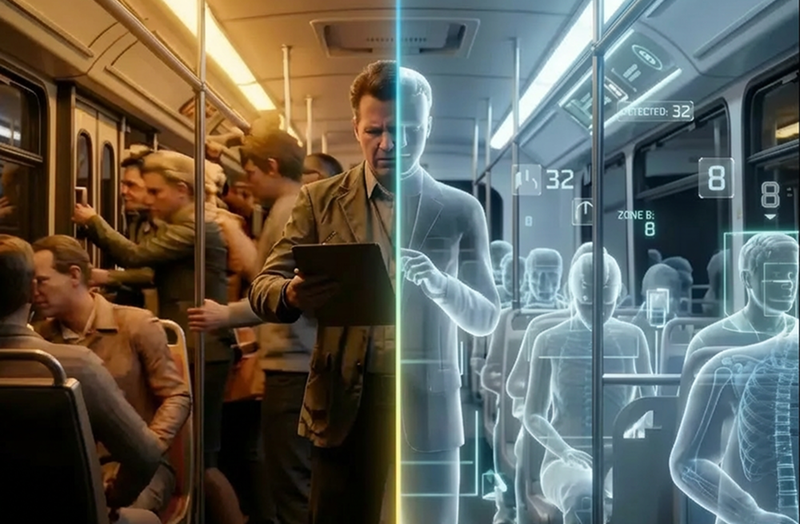
Manual counting and basic video review systems were built for periodic analysis, not continuous insight.
Manual methods introduce human error and inconsistencies across routes and shifts. Video-based systems that rely on after-the-fact review slow everything down and place additional burden on already busy teams.
Even multi-camera setups often struggle in real-world conditions such as:
- Crowded boarding scenarios
- Variable lighting and weather
- Mixed passenger movement patterns
- Accessibility equipment and mobility aids
The result is data that exists, but arrives too late to be operationally useful.
What Transit Fleets Are Looking for Now
Modern transit operators are shifting away from counting passengers as a compliance task and toward using passenger data as an operational signal.
What they need is:
- Consistent accuracy across routes and conditions
- Real-time visibility, not delayed reports
- Clear differentiation between passengers, drivers, and equipment
- Data that supports both daily decisions and long-term planning
Passenger counting is no longer about knowing what happened yesterday. It’s about understanding what is happening now and what should happen next.
Turning Passenger Data Into Operational Insight
Accurate passenger data becomes valuable when it connects directly to action.
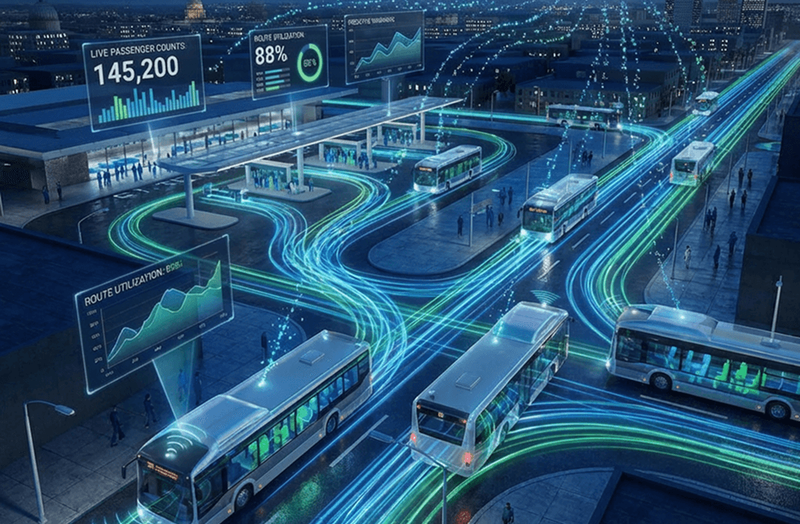
When operations teams can see passenger flow in real time, they can respond before small issues become service disruptions. When planners can analyze trends across time of day, seasonality, and route segments, they can adjust service with confidence instead of guesswork.
That shift changes how decisions are made:
- Routes are adjusted proactively instead of reactively
- Capacity aligns more closely with actual demand
- Resources are allocated based on patterns, not assumptions
Over time, that clarity compounds into better service reliability and more efficient operations.
Compliance and Reporting Without the Scramble
Accurate passenger data also plays a critical role in compliance and reporting.
Funding applications, audits, and regulatory reviews all depend on ridership numbers that can be defended. Manual methods and delayed systems make it difficult to provide clear documentation when questions arise.
Modern passenger counting systems are expected to generate audit-ready reports automatically, with consistent methodology and traceable data.
For many fleets, this alone has become a major driver for re-evaluating their current approach.
A Shift Toward Integrated Fleet Intelligence
Passenger counting does not exist in isolation. It intersects with safety, vehicle performance, route efficiency, and driver operations.
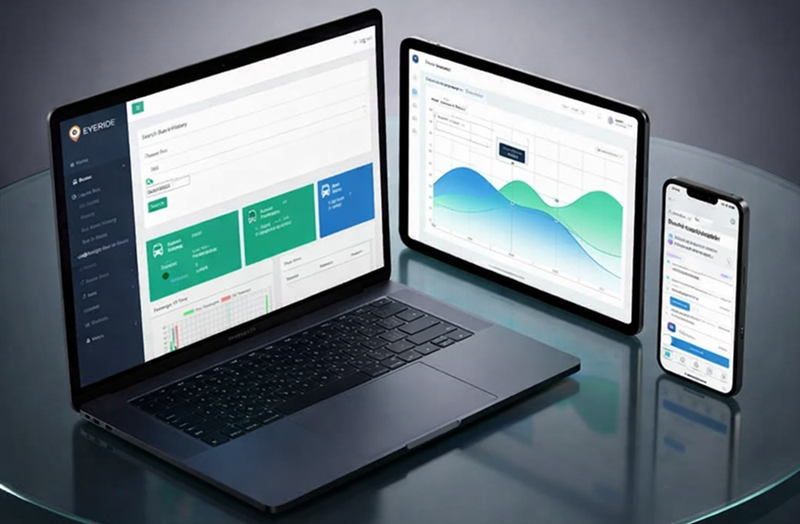
As fleets modernize, they are increasingly looking for platforms that connect these elements instead of treating them as separate systems. Passenger data becomes more powerful when it aligns with vehicle activity, timing, and operational context.
This integrated view allows leadership teams to see the full picture, rather than piecing together information from disconnected tools.
Looking Ahead
In 2026, transit fleets are being asked to do more with less, while maintaining transparency and service quality. Passenger counting systems built for periodic reporting are struggling to keep up with those expectations.
The fleets that move forward are prioritizing accuracy, immediacy, and operational relevance over legacy processes.
Not because passenger counting is new, but because the cost of getting it wrong has become harder to ignore.
