
ELogs for Truckers: 7 Mistakes You're Making with Electronic Logging Devices (and How to Fix Them)
Picture this: You're cruising down I-40 at 2 AM, making good time on a critical delivery, when those red and blue lights flash in your mirrors. The DOT inspector walks up to your cab and asks for your ELD data. Your heart sinks as you realize your device has been acting up all week, and you're not even sure if your logs are complete. What should have been a routine inspection just became a potential nightmare of violations, fines, and delayed freight.
If this scenario makes your stomach churn, you're not alone. Electronic Logging Devices have transformed trucking operations, but they've also created new ways for even experienced drivers to stumble into costly compliance violations. The good news? Most ELD mistakes are completely preventable once you know what to watch for.
Your livelihood depends on staying compliant, and every violation puts your CDL, your income, and your reputation at risk. Let's dive into the seven most common ELD mistakes that are costing truckers thousands in fines and downtime, and exactly how to fix them.
Mistake #1: Running Non-Compliant or Unregistered ELD Devices
Your biggest compliance disaster might be sitting right there on your dashboard. Every year, drivers get caught using ELDs that aren't FMCSA-approved or have fallen off the official registry. You might think you're saving money with that bargain-basement device, but you're actually setting yourself up for massive violations that make the cheapest compliant ELD look like pocket change.
Here's what's happening: Some fleet owners and owner-operators choose unregistered devices to cut costs, not realizing they're creating a ticking time bomb. When enforcement discovers you're using non-compliant equipment, you don't just get a slap on the wrist, you face serious penalties and potential out-of-service orders.
The Fix: Before you install any ELD, verify it's on the FMCSA's current registered device list. Don't just trust the vendor's word, check the official registry yourself. Yes, certified devices cost more upfront, but they prevent violations that can cost thousands and keep your truck moving instead of sitting on the roadside.
When evaluating ELD providers, ask for their FMCSA registration documentation and verify their compliance history. A reputable provider will gladly show you their certification and explain how they maintain regulatory compliance as standards evolve.
Mistake #2: Skipping Daily Log Certification
You finish your shift, shut down the truck, and head to the sleeper berth without reviewing your logs. Sound familiar? This simple oversight creates one of the most common violations inspectors encounter. Your ELD records everything, but you're still required to review and certify those records daily.
Failing to certify your logs signals to enforcement that you're not paying attention to your Hours of Service compliance. Even if your driving time is perfectly legal, missing certifications create violations that can trigger deeper inspections and additional scrutiny.
The Fix: Build log certification into your end-of-shift routine. Before you log off-duty, review your entire day's activities, verify the accuracy of your status changes, and certify your logs. Make it as automatic as your pre-trip inspection.
Set up your ELD to send daily reminders if certification hasn't occurred by a certain time. Some systems can even prevent you from logging off-duty without completing certification. This small habit prevents major headaches during inspections.
Mistake #3: Misclassifying Yard Moves and Personal Conveyance Time
Your ELD tracks every movement of your truck, but it doesn't automatically know whether you're making a yard move, driving for personal reasons, or operating commercially. Misclassifying these activities creates Hours of Service violations that can put you over your driving limits or create confusing log entries that raise red flags during inspections.
The confusion often happens when drivers don't understand when to use "yard move" status versus regular driving time, or when they forget to switch to personal conveyance while driving to a restaurant or shower facility.
The Fix: Learn the specific regulations around yard moves and personal conveyance, and train yourself to think about your duty status before you move the truck. Yard moves apply to moving your truck within facilities like terminals or customer locations for operational purposes, not transportation.
For personal conveyance, remember you can only use this status when you're off-duty and the driving doesn't benefit your motor carrier. Document any unusual circumstances that might cause confusion later, and when in doubt, use the more restrictive classification to stay safe.
Mistake #4: Creating Gaps in Your Log Data
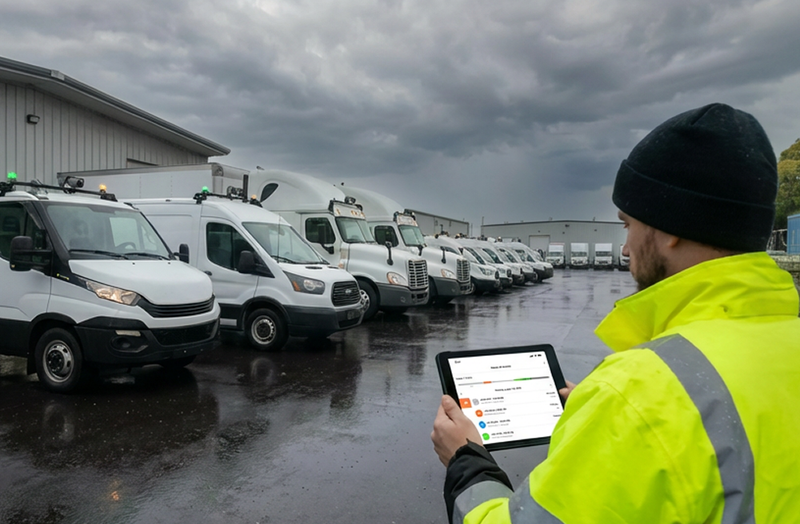
Incomplete logs are like neon signs advertising compliance problems to inspectors. Whether you forgot to log a status change, experienced a device malfunction, or simply lost track of time, gaps in your ELD data create automatic violations that are difficult to explain and expensive to resolve.
These gaps might seem minor in the moment, but they add up quickly. Each missing piece of information suggests either negligence or intentional tampering, both of which trigger enhanced enforcement attention.
The Fix: Develop habits that prevent gaps from occurring in the first place. When you change duty status, make the log entry immediately: don't wait until later when you might forget. Use ELD alerts and reminders to prompt status changes during predictable transition times.
If gaps do occur due to legitimate reasons like device malfunctions, document them immediately with detailed explanations. Keep records of what happened, when it occurred, and what steps you took to resolve the issue. This documentation can be crucial during inspections or audits.
Ready to fix ELD headaches fast? Call 833-393-7433 (833-EYERIDE) or visit eyeride.io to request a demo, get a quote, or ask for more info—via our website or by phone—so you can move forward with confidence.
Mistake #5: Ignoring Device Malfunctions and Connectivity Problems
Your ELD starts acting strange: GPS coordinates seem off, the device won't sync with your engine, or you're getting error messages you don't understand. Instead of addressing these issues immediately, you figure you'll deal with them later. That's a costly mistake that can snowball into serious compliance problems.
Device malfunctions create ripple effects throughout your logging system. Poor GPS accuracy leads to incorrect location data, connectivity issues prevent proper data recording, and unresolved technical problems can cause complete system failures at the worst possible moments.
The Fix: Address technical issues the moment they appear. If your ELD shows error messages, loses GPS signal, or fails to record engine data properly, document the malfunction immediately and take steps to resolve it.
Keep backup logging methods available, including paper logs, in case of extended device failures. Modern fleet management solutions like those offered by companies focusing on comprehensive fleet technology often include redundant systems and better technical support to prevent these situations.
Restart your device to resolve common glitches, check antenna connections for GPS problems, and verify power supply stability. If problems persist, contact your ELD provider's technical support immediately: don't wait until you're facing an inspection.

Mistake #6: Fumbling Data Transfer During Roadside Inspections
The inspector asks for your ELD data, and suddenly you're scrambling to figure out how to transfer it. Your device won't connect, the Bluetooth isn't working, or you simply don't remember the procedure. What should be a quick data transfer becomes a stressful ordeal that makes you look unprofessional and potentially non-compliant.
Roadside data transfer failures waste everyone's time and create negative impressions with enforcement. Inspectors expect smooth, quick data transfers, and technical difficulties suggest poor maintenance or inadequate training.
The Fix: Practice your data transfer procedure regularly so it becomes second nature. Know exactly how to share your logs via your ELD's electronic methods, whether that's Bluetooth, cellular connection, or direct display.
Keep backup transfer options available in case primary methods fail. Some devices allow you to display logs directly on the screen, while others can export data to email or USB drives. Test all these methods periodically to ensure they work when needed.
Train with your ELD during non-critical times so you're confident and efficient during actual inspections. A smooth data transfer demonstrates professionalism and helps inspections conclude quickly.
Mistake #7: Inadequate Training and Poor Documentation Practices
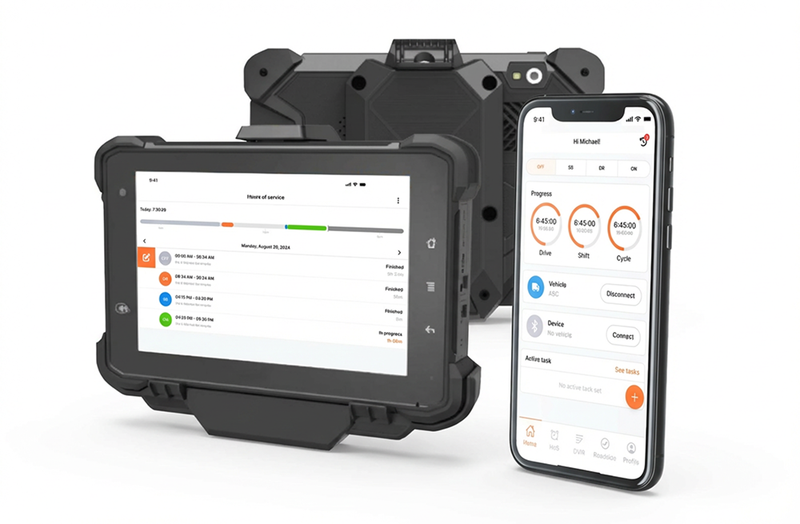
You learned your ELD system through trial and error, picking up knowledge as you went. Your training consisted of a quick overview when the device was installed, and you've been winging it ever since. This approach leaves dangerous knowledge gaps that create compliance vulnerabilities and operational inefficiencies.
Poor training leads to incorrect logging practices that become habitual. You might be making the same mistakes repeatedly without realizing it, building a pattern of violations that will eventually catch up with you during inspections or audits.
The Fix: Invest in comprehensive ELD training that goes beyond basic operation. Understand not just how to use the system, but why specific procedures matter for compliance. Learn the regulations behind the technology so you can make informed decisions in unusual situations.
Keep your ELD user manual, malfunction procedures, and blank paper logs easily accessible in your cab. Regulations require you to have these materials available, and they serve as valuable references when questions arise.
Stay updated on regulatory changes and system updates from your ELD provider. Compliance requirements evolve, and your knowledge needs to keep pace with these changes to maintain effective operations.
Your Path to ELD Success
These seven mistakes might seem overwhelming, but remember that knowledge is power. Now that you know what to watch for, you can proactively prevent these costly errors from derailing your operations.
The most successful drivers treat ELD compliance as an ongoing process, not a one-time setup. They stay engaged with their logging practices, maintain their equipment properly, and continuously improve their understanding of the regulations.
Don't let preventable ELD mistakes put your career at risk. Take action today to audit your current practices, address any weaknesses you've identified, and build systems that keep you compliant and profitable on the road. Your future self will thank you when those red and blue lights appear in your mirrors, and you can hand over perfect logs with complete confidence.
Ready to move? Call833-393-7433 or 833-EYERIDE, or visit eyeride.io to request a demo, get a tailored quote, or ask for more info—via our website or by phone. Let's get you compliant, confident, and back to focusing on what pays: safe, on-time deliveries.
